مزامنة الشفاه بالذكاء الاصطناعي
يعيد ذكاء الاصطناعي لمزامنة الشفاه تحريك الفم ليطابق مسار صوتي جديد، مما يدعم سير عملين: دبلجة فيديو موجود بكلام مختلف، وتحريك صورة واحدة لتصبح فيديو متحدث كامل. تستضيف استوديو الأفتار من Arteza عدة محركات لمزامنة الشفاه، من دبلجة الفيديو بدقة 4K في Sync-3 إلى أفتار OmniHuman التي تجمع الصور والصوت، كل ذلك تحت رصيد واحد.
تخصيص الشفاه على Arteza
صورة بورتريت مُحركّة بواسطة مقطع صوتي. اضغط للتمرير أو اضغط لرؤية الفم يتبع الحديث.
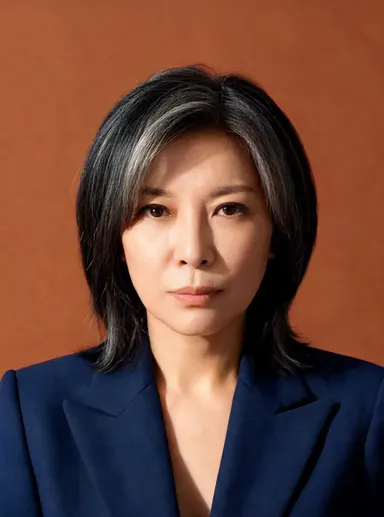 OmniHuman v1.5 3c
Studio portrait of a 40-year-old Japanese woman with silver-streaked bob, wearing a structured indigo blazer, warm terracotta backdrop, soft butterfly lighting, photorealistic, shoulders-up framing, direct confident gaze.
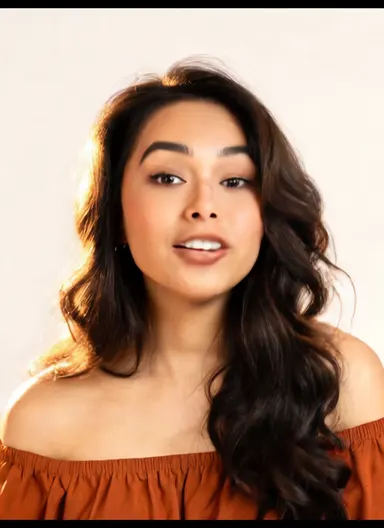 Wan 2.2 S2V 4c
Studio portrait of a 25-year-old Peruvian woman with long dark waves, wearing an off-shoulder rust-orange blouse, ivory backdrop, golden-hour rim lighting, photorealistic, shoulders-up, bright curious expression.
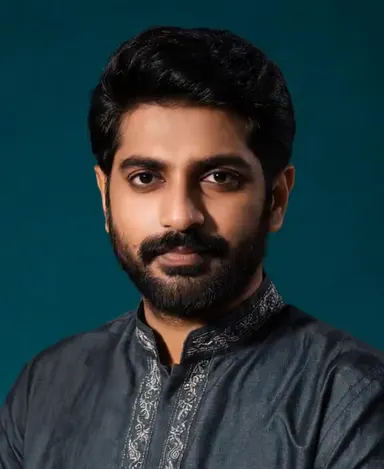 Infini Talk 5c
Studio portrait of a 38-year-old Indian man with neat beard, wearing a charcoal kurta with subtle embroidery, deep teal backdrop, split studio lighting, photorealistic, shoulders-up, composed and attentive expression.
 Fabric 1.0 2c
Studio portrait of a 45-year-old Swedish woman with blonde lob haircut, wearing a forest-green cashmere sweater, dusty rose backdrop, soft beauty-dish lighting, photorealistic, shoulders-up, genuine warm gaze.
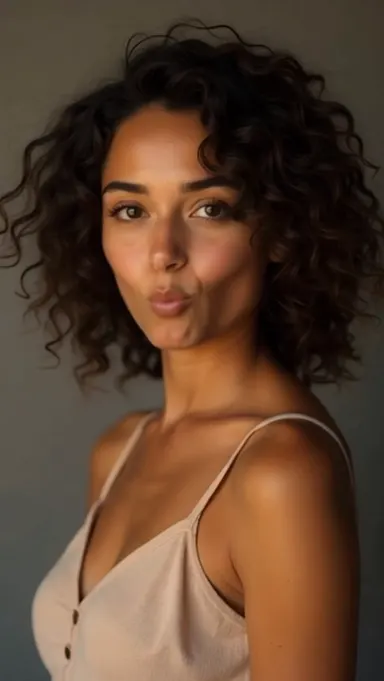 Sync-3 Lipsync 3c
Studio portrait of a 32-year-old South Korean man with undercut hair, wearing a crisp sky-blue dress shirt, off-white backdrop, cool cinematic LED lighting, photorealistic, shoulders-up, relaxed professional expression.
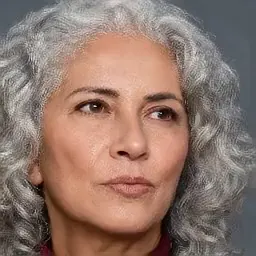 SadTalker 8c
Studio portrait of a 55-year-old Brazilian woman with silver curls, wearing a deep burgundy turtleneck, slate-grey backdrop, soft front-fill studio lighting, photorealistic, shoulders-up, thoughtful neutral expression.
كيف يعمل
قدم الوجه
حمل فيديو لدبلجته، أو صورة بورتريه واحدة لتحريكها. تتزامن الوجوه الأمامية والمضاءة بشكل جيد مع الفم واضح المعالم بشكل أكثر إقناعا.
أضف الصوت
حمل تسجيل، أو أنشئ الكلام أولا في استوديو الصوت باستخدام تحويل النص إلى كلام أو صوت مستنسخ. يربط النموذج كل صوت كلام بشكل الفم المطابق.
أنشئ الفيديو المتزامن
يعيد النموذج إنشاء منطقة الفم إطار تلو الآخر، أو يحرك الوجه بالكامل من الصورة، بحيث تتحرك الشفاه والفك والتعابير بتزامن مع الصوت.
النماذج التي يمكنك استخدامها الآن
كل نموذج أدناه مُتاح على Arteza بتكلفة الاعتماد الحالية، يتم سحبها من نفس محرك التسعير الذي يستخدمه الاستوديو في وقت الإنشاء.
الأسئلة الشائعة
هل يمكنني مزامنة شفاه صورة، أم أحتاج إلى فيديو؟
كلا سير العمل مدعوم. يدبلج Sync-3 Lipsync مقاطع الفيديو الموجودة بصوت جديد بدقة تصل إلى 4K. يحول OmniHuman v1.5 و Kling Avatar v2 و Infini Talk صورة واحدة بالإضافة إلى ملف صوتي إلى فيديو متحدث كامل.
هل تعمل مزامنة الشفاه بالذكاء الاصطناعي بأي لغة؟
بشكل عام نعم. يربط النموذج الأصوات بأشكال الفم بدلا من فهم الكلمات، لذا يمكنه مزامنة الأفواه مع معظم اللغات المنطوقة، وهذا هو السبب في أن مزامنة الشفاه هي العمود الفقري لترجمة الفيديو والمحتوى المحلي.
ما المدخلات التي تعطي أفضل النتائج؟
صوت كلام نظيف بدون موسيقى ثقيلة، ووجه بحجم معقول وأمامي وغير معاق. تظهر الأخطاء عند الانعطافات السريعة للرأس والأيدي على الفم والزوايا الشديدة.
هل يمكنني استخدام وجه شخص آخر؟
فقط بموافقته. تستخدم مزامنة الشفاه على نطاق واسع للدبلجة والترجمة والمحتوى الأفتار الشرعي، لكن يجب عليك فقط تحريك صورة الأشخاص الذين وافقوا على ذلك.